

Penetration testing is changing fast as cyber threats become more advanced. Automated tools and artificial intelligence are making it quicker and easier to find security gaps, but many experts say human skills and judgement are still needed for the most complex problems. AI is helping security teams detect and respond to threats more efficiently, but it cannot fully replace the trained eye of a skilled ethical hacker.

Businesses are now focusing on using both automation and human expertise together to keep their defences strong. As technology evolves, the way organisations test their own security must evolve too. Understanding these changes is key for anyone who wants to stay ahead of new risks in the digital world.
Penetration Testing in the Modern Cybersecurity Landscape
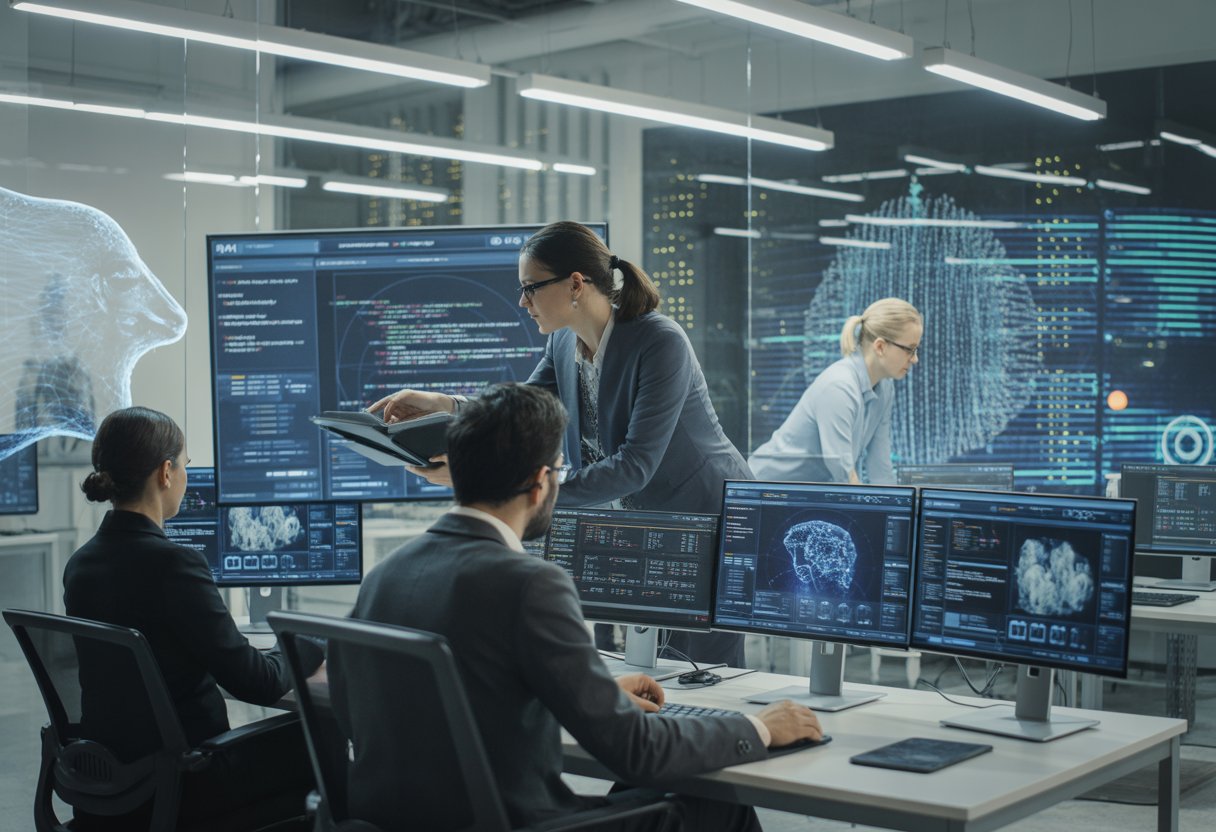
Penetration testing is a key practice in today's cybersecurity landscape as new threats emerge and technology continues to change. Attack methods are growing more advanced, and both digital and physical attack surfaces are expanding quickly.
Evolving Cyber Threats
Attackers are now using tools like artificial intelligence and automation to find and exploit weaknesses faster than before. Cyber threats are becoming more sophisticated, often targeting not just software flaws but also business logic vulnerabilities that can be harder to detect with traditional methods.
Red teaming and ethical hacking are more important as attackers use smarter tactics, such as spear phishing and social engineering, to breach defences. These changes require continuous updates to penetration testing strategies. Automated tools can help, but new types of cyber attacks mean that traditional penetration testing alone is no longer enough.
Penetration testers need to adapt to increasingly complex ransomware, advanced persistent threats (APTs), and the rise of attacks targeting cloud environments. It is vital to find vulnerabilities before attackers do, as even a small gap can lead to a serious breach.
Attack Surface Expansion
The attack surface has become larger and more complex as organisations adopt more devices, apps, and cloud networks in their daily operations. The growing use of Internet of Things (IoT) devices, web applications, and remote work setups provides attackers with more entry points.
New systems and digital tools often connect in ways that traditional cybersecurity defences cannot always protect. Critical business systems, personal devices, and third-party services may all increase risk. Testing must cover endpoints, networks, and APIs, as well as understand the context in which they operate.
Table: Common Attack Surfaces
| Type | Examples |
|---|---|
| Endpoints | Laptops, mobile phones, desktops |
| Cloud Services | SaaS apps, servers, storage |
| IoT Devices | Smart cameras, sensors, medical devices |
| Web Applications | Shopping carts, portals, login pages |
| APIs | Payment gateways, data exchange points |
Mapping the full attack surface helps organisations identify weak spots and design tests that reflect real-world scenarios.
Role of Human Testers
While automation and AI help improve speed and coverage, human testers remain essential. Only skilled ethical hackers and penetration testers can understand complex business logic, context, and unique organisational risks that machines might miss.
Experienced testers look beyond technical flaws to spot logic errors or gaps in security policies. Their insights can uncover how a combination of small weaknesses might lead to a major breach. Red team exercises challenge defences in ways that simulate real attackers, going further than automated scans.
Penetration testers use creativity, analytical thinking, and past experience to prioritise risks and deliver feedback that is clear and actionable. Human testers still play a central role in upholding cybersecurity, helping organisations adapt to the changing threat landscape.
AI and Machine Learning Transforming Penetration Testing

Artificial intelligence (AI) and machine learning are changing how security professionals test and defend systems. These technologies make vulnerability detection faster, create more advanced exploits, and help build automated tools that assist human testers.
AI in Reconnaissance and Vulnerability Detection
AI speeds up the reconnaissance stage of penetration testing. It can automatically scan massive networks and gather details about hosts, open ports, and services. This process, once fully manual and slow, is now much faster and requires less human effort.
With machine learning algorithms, AI systems can spot known vulnerabilities by comparing collected data against databases of security flaws. AI models can also help find unknown or uncommon risks by recognising unusual patterns that a human might miss.
Some automated scanning tools now use AI to monitor network traffic, catch suspicious behaviour, and suggest possible weaknesses in real time. This leads to faster detection of vulnerabilities and makes it simpler for testers to focus on analysis and deeper testing rather than data collection.
Machine Learning for Exploit Generation
Machine learning is used to develop and refine exploit code. By analysing large sets of exploits and attacks, these systems learn what works and why. They can then generate new exploits for vulnerabilities faster than before.
Testers can use AI to automate parts of the exploit creation process, which lets them reproduce attacks more reliably. Machine learning models also help predict if a vulnerability is likely to be successfully exploited, allowing security teams to prioritise their work.
AI-powered frameworks may soon suggest and even build custom exploits for specific systems. While this helps defenders find and fix issues, it could also make it easier for attackers to create and launch real-world attacks if used incorrectly.
Generative AI and Payload Creation
Generative AI, such as large language models, can create payloads that are unique and tailored to specific targets. Unlike traditional payloads, which may be detected by security tools, AI-generated payloads can avoid detection by constantly changing their patterns.
This technology allows testers to simulate modern cyber threats more accurately. For example, generative AI can build scripts, phishing emails, or command injections that mimic what actual attackers might use. This makes penetration testing more realistic and valuable.
At the same time, generative AI can help automate report writing by summarising findings and suggesting remediation steps, saving testers time and improving communication with stakeholders.
AI Tools and Frameworks
Several penetration testing tools and frameworks now use AI to improve their effectiveness. For example, the Metasploit Framework incorporates some automation features that help with exploit selection and payload generation, although it is not fully AI-driven.
Specialised tools use AI for tasks like vulnerability scanning, password cracking, and social engineering simulations. These tools learn from past tests to improve results in new environments.
A comparison table for selected AI-driven pentesting tools may look like this:
| Tool | AI Features | Use Case |
|---|---|---|
| Metasploit Framework | Automation, scripting | Exploit development, testing |
| Deep Exploit | ML vulnerability finding | Auto-scan and exploit targets |
| ImmuniWeb AI | Risk analysis, scanning | Web application testing |
These frameworks help testers work faster, find more issues, and keep up with evolving cyber threats. The growing use of AI tools is pushing penetration testing towards more automation, accuracy, and coverage.
Rise of Automation and Automated Security Testing
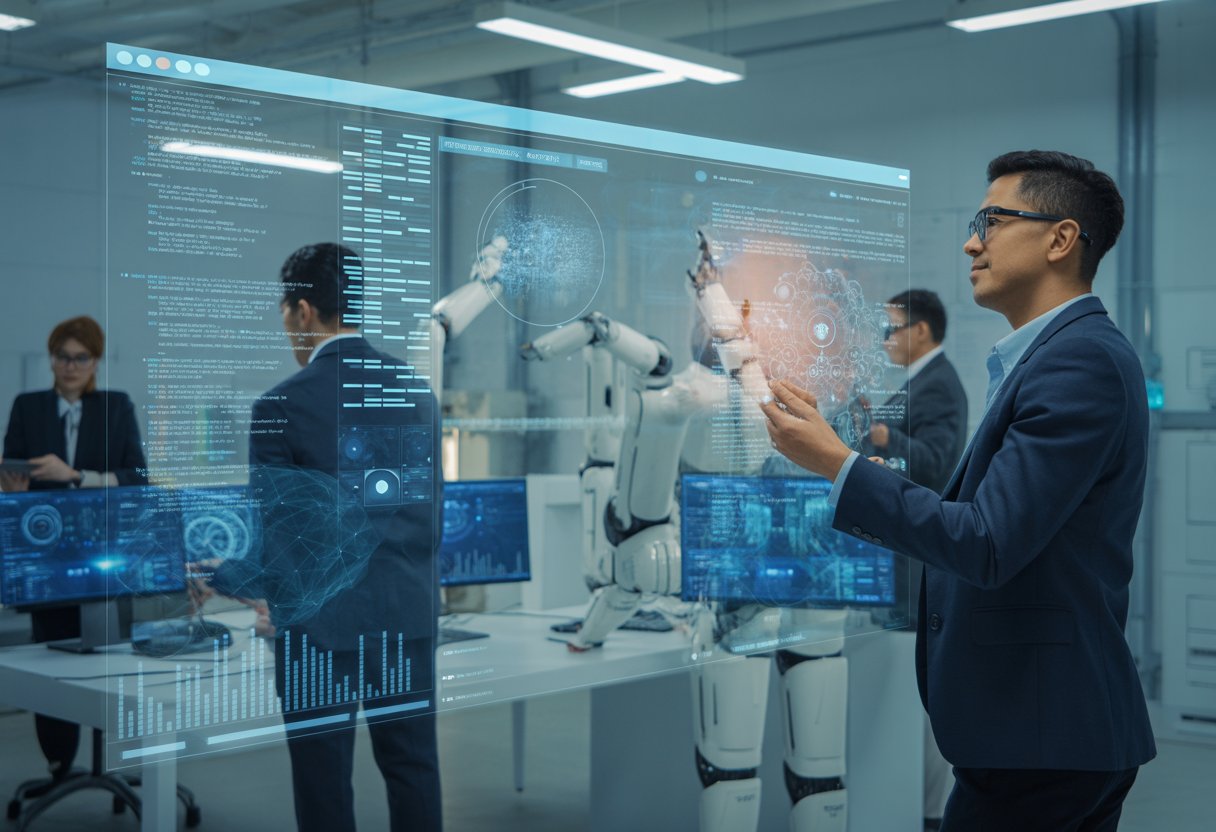
Automated security testing is now a core part of how organisations defend their networks and applications. Automation helps make security efforts faster, more accurate, and easier to scale as threats continue to grow in number and complexity.
Vulnerability Scanning and Continuous Monitoring
Vulnerability scanning uses automated tools to find weaknesses in systems and networks. Solutions like OpenVAS and Nessus can scan thousands of devices within minutes and report risks clearly. This allows security teams to focus on serious threats right away.
Continuous monitoring means systems are scanned often, even daily or hourly, instead of once a year. It keeps businesses up to date on new flaws as soon as they appear. Automated scanning also reduces human error, helping security teams notice patterns or hidden vulnerabilities that might otherwise be missed.
Automated vulnerability scanning and monitoring free up time for deeper analysis. With built-in reporting, teams can track which vulnerabilities are fixed and which need attention.
Automated Exploitation Techniques
After finding vulnerabilities, automated tools like Burp Suite use scripts to safely exploit and test weaknesses. This process checks not only if a vulnerability exists, but also if it can actually be used by attackers.
Automated exploitation is less risky than manual testing because it uses pre-set rules to avoid damaging systems. It provides repeatable results, so teams can measure progress or find issues that reappear.
Importantly, automated exploitation speeds up security checks. It lets businesses test more systems in less time without sacrificing accuracy. However, complex vulnerabilities may still need human review for a deeper assessment.
Integrating with CI/CD Pipelines
Automated security testing tools can be added directly to CI/CD pipelines. When developers push new code, automated tests run immediately, checking for common weaknesses or misconfigurations before software goes live.
This integration helps stop vulnerabilities early in development. It reduces the time and cost needed to fix problems after software is released. Tools like Burp Suite, OpenVAS, and Nessus support CI/CD automation with APIs and plugins.
Automated testing at each stage also encourages a security-first mindset in development teams. This approach makes secure coding and continuous security testing part of the everyday workflow.
Challenges and Limitations of AI and Automation
AI and automation in penetration testing bring new benefits, but they also introduce several practical issues. Security teams must consider the accuracy of AI findings, the impact on business processes, and the need to balance budgets and compliance requirements.
False Positives and Vulnerability Analysis
AI-powered tools can sometimes flag harmless system behaviours as threats, leading to false positives. This can overwhelm security teams with unnecessary alerts, making it harder to spot real risks. It may also cause teams to ignore actual vulnerabilities due to alert fatigue.
Vulnerability analysis needs human input. While AI can scan for known weaknesses quickly, it may miss nuanced or context-specific flaws that humans can detect. Automated systems struggle with zero-day vulnerabilities or complex attack chains.
Effective penetration testing today often involves a hybrid approach. Teams combine AI for efficiency with human expertise for deeper investigation. This balance helps reduce false positives and makes vulnerability analysis more accurate and useful.
Business Impact and Ethical Considerations
Rapid automation can affect business operations if tests disrupt live systems or slow down services. Automated tests may lack the discretion a human would use to avoid these impacts. Clear rules are needed to manage risk and ensure tests do not interrupt business routines.
Ethical considerations are also significant. AI systems may struggle to judge the intent behind certain actions, raising the risk of crossing ethical boundaries. For example:
- Testing may affect customer data without proper safeguards
- AI might exploit vulnerabilities in unintended ways
- Lack of oversight can lead to unapproved or illegal actions
To address these issues, organisations set strict policies. Human oversight is essential for ethical decisions and responsible reporting.
Addressing Security Budgets and Compliance
Introducing AI and automation tools often means higher initial costs. Some organisations may struggle to justify these expenses within their existing security budgets. Licensing, setup, and training costs add up, especially for smaller firms.
Compliance requirements must also be considered. Regulations such as GDPR and industry standards demand careful handling of data during security tests. Automated tools may not automatically follow best practices for compliance.
Security teams must ensure that all tools and processes conform to relevant laws and standards. Regular reviews and audits help organisations balance the benefits of automation with the need to meet compliance and budgetary goals.
Emerging Trends and the Future of Penetration Testing
Penetration testing is changing fast as technology advances. New attack surfaces, smarter tools, and better threat simulation are shaping how security teams work to protect data and systems.
Targeting IoT Devices and Critical Infrastructure
The use of IoT devices has grown quickly in homes, businesses, and cities. These devices, like smart meters and medical equipment, often lack strong security features. Attackers are targeting them to gain access to larger networks or critical infrastructure.
Critical infrastructure such as power grids, water facilities, and transport systems now rely more on connected devices. If breached, these systems can cause big risks to public safety. Regular penetration testing helps find weak points in both IoT and critical infrastructure.
Pen-testing teams must use new tools and skills to assess these targets. They simulate attacks to spot exposures before cybercriminals do. Protection of critical systems depends on this type of early, thorough testing.
Zero-Day Exploits and Emerging Vulnerabilities
Zero-day exploits take advantage of software flaws before developers know about them. In the future, finding these unknown threats quickly is vital as attackers use them to cause real harm. Emerging vulnerabilities will keep growing due to rapid software updates and complex systems.
Penetration testers are now expected to mimic actual hackers, searching for exposures that automated tools might miss. They must stay updated with the latest exploits and threat intelligence. Sharing findings with developers helps companies patch weaknesses faster.
Testing methods are expected to include more hands-on analysis and the use of advanced detection tools. Rapid detection and reporting are necessary to stay ahead of attackers.
Human Pentester vs. AI-Driven Testing
The rise of artificial intelligence is changing how vulnerability identification happens. Human pen-testers bring experience, creativity, and an understanding of real-world scenarios. AI-driven tools, on the other hand, can rapidly scan large codebases and networks for known vulnerabilities.
AI speeds up repetitive tasks, but still struggles with complex logic, social engineering, or unique business processes. Human testers can adapt, think critically, and target risks that machines might overlook. Both are important for thorough security checks.
In the future, companies will blend human and AI techniques for the best results. The teamwork between skilled testers and advanced tools will be key to reliable penetration testing.
Continuous Threat Simulation and Red Teams
Continuous threat simulation uses automated tools to test defences all the time, not just once a year. This approach spots weaknesses as soon as they appear. Red teams, which are advanced ethical hacking groups, mimic real attackers for deeper system analysis.
Red teams use creative strategies, social engineering, and custom attacks on systems and staff. Their goal is to show how far an attacker could get without being stopped. Combining red team operations with continuous simulation improves a business’s ability to respond to new attacks.
A table showing the differences:
| Method | Description | Frequency | Strengths |
|---|---|---|---|
| Automated Simulation | Uses tools to run regular tests | Continuous | Quick, scalable, always running |
| Red Team Operations | Skilled testers mimic real attackers | Periodic | Creative, real-world strategies |